

Operational Technology (OT) environments—encompassing industrial control systems (ICS), SCADA architectures, manufacturing floors, water treatment facilities, power grids, transportation systems, and other critical infrastructure—are becoming more interconnected than ever before. Industry 4.0, remote access, IIoT devices, and cloud-enabled operations have unlocked higher efficiency, real-time monitoring, and predictive maintenance. But with this connectivity comes increased exposure to cyber threats that can disrupt operations, endanger safety, and cause severe financial and reputational damage.
When people think of OT cybersecurity, they often focus on technical controls: firewalls, segmentation, endpoint protection, anomaly detection, and hardened protocols. These technologies are essential—but not enough. The human element remains the single most unpredictable variable in OT security. Even the best-designed systems can fail if people lack the awareness, skills, or discipline to operate securely.
Most OT security incidents—even in highly regulated industries—can be traced back to human-driven weaknesses: weak passwords, accidental misconfigurations, poor patching practices, misuse of USB devices, or falling prey to phishing and social engineering. Unlike IT environments, the consequences in OT can be catastrophic: halted production, equipment damage, environmental harm, or threats to human life.
To build a secure and resilient OT ecosystem, organizations must strengthen their frontline defense: people. This requires a strategic focus on three pillars—awareness, training, and resilience.
Understanding the Human Factor
Humans interact with OT systems at every operational layer—operators controlling machinery, engineers configuring control logic, IT teams managing networks, contractors performing maintenance, and managers overseeing production and compliance. Each interaction carries inherent risks. When these interactions are poorly overseen or guided by weak processes, they create attack pathways that even the most advanced cybersecurity tools cannot fully prevent.
Some of the most significant human-related risks in OT environments include:
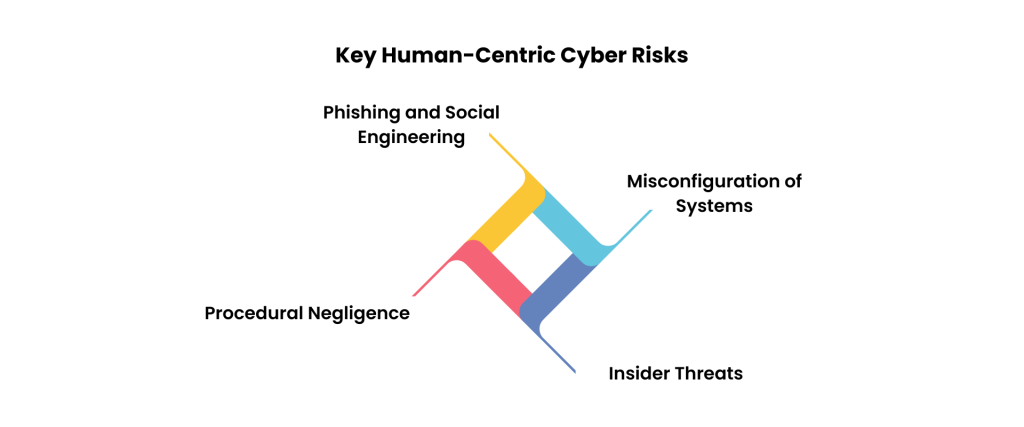
• Phishing and Social Engineering
Attackers often target people—not machines—because humans are easier to manipulate.
Employees might inadvertently:
- click malicious links
- download infected attachments
- reveal credentials to fake “vendor” or “support” personnel
- approve remote access requests without verification
Even highly experienced staff can fall victim to spear-phishing emails designed to look like trusted partners or internal teams. In OT, one compromised credential can enable unauthorized changes to process controls, remote manipulation of systems, or lateral movement into critical networks.
• Misconfiguration of Systems
Misconfigurations are among the top causes of OT security incidents. Even small mistakes—such as an incorrect firewall rule or unintentionally exposed port—can give attackers a foothold.
Common misconfigurations include:
- outdated or untested patches applied during peak operations
- incorrect VLAN or zone assignments
- disabled logging or monitoring
- mismanaged user permissions (e.g., excessive privileges)
In OT, where systems are sensitive and availability is paramount, misconfigurations can disrupt processes or create persistent vulnerabilities that go unnoticed for months.
• Procedural Negligence
When employees deviate from established security protocols, even for convenience, they unintentionally weaken defenses. Examples include:
- bypassing multi-factor authentication to “get work done faster”
- using personal USB drives or laptops on control networks
- skipping change-management steps
- leaving engineering workstations unlocked
- sharing passwords within operational teams
These shortcuts accumulate into systemic risk and make it easier for attackers to exploit human oversight.
• Insider Threats
While less common, insider threats pose one of the most damaging risks. These can arise from:
- disgruntled employees seeking revenge
- contractors with broad access privileges
- staff with financial or personal motivations
- accidental insiders who expose systems unintentionally
Because insiders understand systems and processes, their misuse of credentials can be difficult to detect until damage has already occurred.
Recognizing these vulnerabilities is the critical first step. Once organizations understand how humans can introduce risk, they can begin transforming employees from potential liabilities into the strongest defenders of the OT ecosystem.
Building Awareness: The Foundation of Human Security
Awareness is the baseline of OT security. Employees need to understand not just what to do, but why their actions matter. Awareness programs are most effective when they combine education with context:
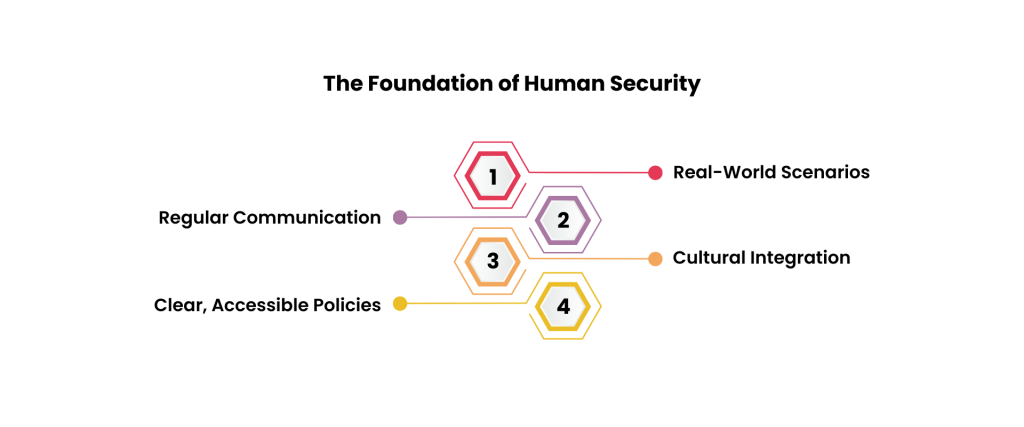
- Regular Communication: Frequent reminders through newsletters, posters, and digital dashboards help reinforce good security behaviors. For example, short weekly tips on safe system access or recent threat alerts can keep cybersecurity top-of-mind.
- Real-World Scenarios: Sharing case studies of OT breaches or near-misses can illustrate the potential consequences of human errors. For instance, the 2015 Ukrainian power grid attack highlights how phishing and credential theft can cause widespread disruption.
- Clear, Accessible Policies: Employees should have easy access to concise, understandable security policies. Policies must avoid technical jargon and clearly define roles, responsibilities, and expected behavior.
- Cultural Integration: Security awareness must be embedded into organizational culture. Celebrating employees who identify risks or report suspicious activity encourages a proactive mindset.
Awareness alone does not eliminate errors, but it provides the foundation for effective training and resilience.
Training: Turning Knowledge into Competence
Awareness is the cornerstone of human-focused OT security. It’s not enough for employees to simply follow rules—they must understand the purpose behind them. When people connect their daily actions to operational safety, uptime, and security, they become far more engaged and accountable.
Effective awareness programs combine education with relevance and context. They must be ongoing, accessible, and tailored to the operational reality of the workforce.
1. Regular Communication
Security awareness must be a persistent part of the workplace—not a once-a-year training session.
Organizations can reinforce good cyber hygiene through:
- weekly security tips
- posters on the shop floor
- alerts on digital dashboards
- quick reminders during shift meetings
- messages about new threats or phishing trends
This constant reinforcement keeps cybersecurity at the forefront of employees’ minds without overwhelming them.
2. Real-World Scenarios
Real incidents resonate more than generic warnings. Using case studies—especially OT-specific ones—helps employees understand the real-world consequences of lapses.
Examples include:
- The 2015 Ukrainian Power Grid attack, where stolen credentials led to widespread outages
- The Triton/Trisis incident, where attackers targeted safety instrumented systems (SIS)
- The Oldsmar Florida Water Facility breach, where an intruder attempted to alter chemical levels
Discussing these events makes it clear that cyber mistakes don’t just disrupt systems—they can endanger human lives, environmental safety, and national infrastructure.
3. Clear, Accessible Policies
Employees will only follow policies they can understand and apply. OT security policies must:
- be written in simple language
- clearly define DOs and DON’Ts
- outline escalation paths and reporting procedures
- be easily accessible on intranet portals or physical handouts
- be reinforced during onboarding and contractor briefings
Avoiding technical jargon ensures that operators, technicians, and non-technical staff can follow the guidelines confidently.
4. Cultural Integration
Security must become part of the organizational DNA. When culture supports cybersecurity:
- employees feel motivated to report suspicious behavior
- teams actively challenge unsafe practices
- managers reinforce safe habits
- mistakes become learning opportunities, not reasons for punishment
Celebrating employees who identify threats, spot anomalies, or escalate concerns builds a culture where cybersecurity becomes a shared responsibility—not an IT-only function.
Awareness on its own does not eliminate human errors, but it lays the groundwork for effective training and long-term resilience. It turns everyday personnel into informed, alert, and proactive defenders against cyber threats.
Building Organizational Resilience: Beyond Prevention
While awareness and training focus on prevention, resilience addresses the organization’s ability to respond to and recover from incidents. Humans are central to resilience because they make critical decisions during crises. Key strategies include:
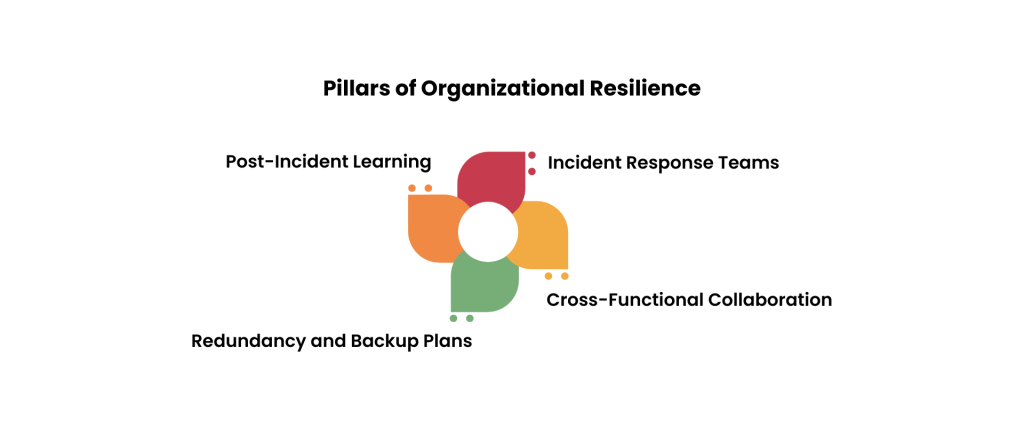
- Incident Response Teams (IRTs): Trained teams capable of detecting, analyzing, containing, and mitigating attacks are essential. Clear roles, responsibilities, and escalation paths prevent delays and confusion during incidents.
- Cross-Functional Collaboration: Collaboration between OT, IT, security, and management ensures faster identification of issues, coordinated response, and minimal operational disruption.
- Post-Incident Learning: Every incident—successful or attempted—should be reviewed to identify gaps and implement corrective measures. Continuous improvement strengthens both processes and human preparedness.
- Redundancy and Backup Plans: Resilient organizations incorporate fail-safes and redundant systems that employees can activate during system failures or attacks. Staff training ensures these measures are executed effectively.
Resilient organizations accept that humans may make mistakes but focus on minimizing impact through preparation, coordination, and adaptive processes.
Integrating Technology and Human Factors
While people remain at the center of OT operations, technology plays a vital supporting role. It cannot replace human judgment—especially in environments where decisions impact physical systems, safety, and production continuity—but it can significantly enhance human capability by providing visibility, early detection, and controlled access.
In modern OT security, the strongest defense model is one where humans and technology work together, each compensating for the other’s limitations.
• User Behavior Analytics (UBA)
UBA solutions monitor the normal behavior of users across OT networks and flag deviations that may indicate a threat. For example:
- logins at unusual times
- access attempts from unexpected locations
- abnormal modification of PLC or SCADA configurations
- sudden data extraction or file transfers
When anomalies are detected, the system alerts security teams or operators, who can then verify whether the activity is legitimate. This human validation step is crucial, especially in OT, where over-automated responses can disrupt production.
• Automated Alerts and Monitoring
Real-time monitoring tools continuously analyze system performance, network traffic, and device communication. When a potential issue arises—such as a misconfiguration, unauthorized access attempt, or a deviation in network traffic—the system automatically raises an alert.
These alerts:
- provide early warning
- reduce the time between detection and response
- help operators act quickly to isolate threats
- prevent minor issues from escalating into system-wide failures
Technology serves as the “eyes and ears,” but humans make the critical decisions about containment, safe shutdown, or recovery.
• Granular Access Controls
Human error is significantly reduced when people only have access to the systems and functions they actually need. Technologies like:
- Role-Based Access Control (RBAC)
- Least Privilege Access
- Multi-Factor Authentication (MFA)
- Privileged Access Management (PAM)
ensure that sensitive functions—such as modifying PLC logic, updating firmware, or changing SCADA configurations—are limited to authorized and trained personnel.
This not only mitigates insider threats but also prevents well-intentioned but untrained staff from accidentally making dangerous changes.
A Holistic Defense: Integrating Human and Technological Strengths
The most effective OT security programs are neither purely technical nor purely human-driven—they combine both.
A holistic defense strategy includes:
- informed employees who understand risks
- trained teams who can respond under pressure
- resilient procedures built for real-world OT conditions
- technologies that amplify human capabilities without disrupting operations
When awareness, training, and resilience are enhanced by intelligent technological safeguards, organizations create a strong, layered security posture that is far harder for attackers to exploit.
Ultimately, technology supports vigilance, but people provide the judgment, adaptability, and contextual understanding needed to protect complex OT systems from evolving cyber threats.
Conclusion
The human factor is often considered the weakest link in OT security—but it can also be the strongest defense. Awareness, training, and resilience empower employees to recognize threats, act decisively, and recover effectively from incidents.
Investing in the human dimension of OT security is no longer optional. As industrial environments become more connected, employees’ decisions, actions, and behaviors are pivotal in ensuring operational safety and continuity.
Key Takeaways:
- Humans are both the largest risk and the greatest asset in OT security.
- Awareness programs help employees understand threats and their role in prevention.
- Role-based, hands-on training transforms knowledge into practical skills.
- Organizational resilience relies on well-prepared teams, collaboration, and continuous improvement.
- Technology should complement, not replace, human vigilance and decision-making.
In a world where OT cyber threats are growing in sophistication, the most secure organizations are those that recognize the central role of humans and invest in empowering them.