Category: Uncategorized

From Compliance to Resilience_ A Practical Enterprise Model

From Compliance to Resilience: A Practical Enterprise Model

Introduction For many enterprises, cybersecurity and risk management programs begin with compliance. Regulations, industry standards, and audit requirements create a baseline for governance and operational discipline. Frameworks such as ISO 27001, NIST, PCI-DSS, GDPR, HIPAA, and SOC 2 help organizations establish controls, document policies, and demonstrate accountability. But modern threat environments have exposed a critical…
Read more
Building a Cyber Risk Reporting Framework for Executives

Building a Cyber Risk Reporting Framework for Executives

Translating Technical Exposure into Business Decisions Cybersecurity has evolved beyond its technical origins. Today, it sits firmly within enterprise risk—impacting revenue stability, regulatory posture, and shareholder confidence. Yet many organizations still struggle to communicate cyber risk in a way executives can understand and act upon. The challenge is not a lack of data—it is a…
Read more

Why Cyber Risk Must Be Treated Like Financial Risk

Why Cyber Risk Must Be Treated Like Financial Risk?

Introduction: The Misclassification Problem For years, organizations have treated cybersecurity as a technical function—owned by IT teams, discussed in technical language, and measured through tools and controls. But the reality has fundamentally changed. Cyber risk is no longer limited to system compromise. It directly impacts: Despite this, unlike financial risk, cyber risk is rarely quantified,…
Read more

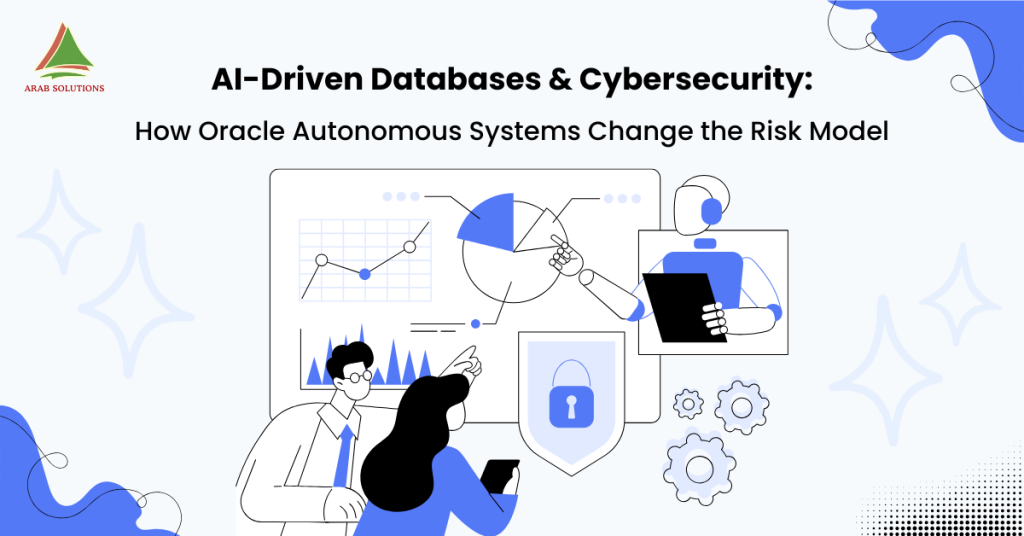
AI-Driven Databases and Cybersecurity: How Oracle Autonomous Systems Fundamentally Change the Risk Model

AI-Driven Databases and Cybersecurity: How Oracle Autonomous Systems Fundamentally Change the Risk Model?

Databases sit at the center of enterprise value—and at the center of enterprise risk. They store customer identities, financial records, intellectual property, operational telemetry, and increasingly, AI training data. Yet despite massive investments in perimeter security, identity platforms, and monitoring tools, databases remain one of the most consistently breached assets across industries. The reason is…
Read more

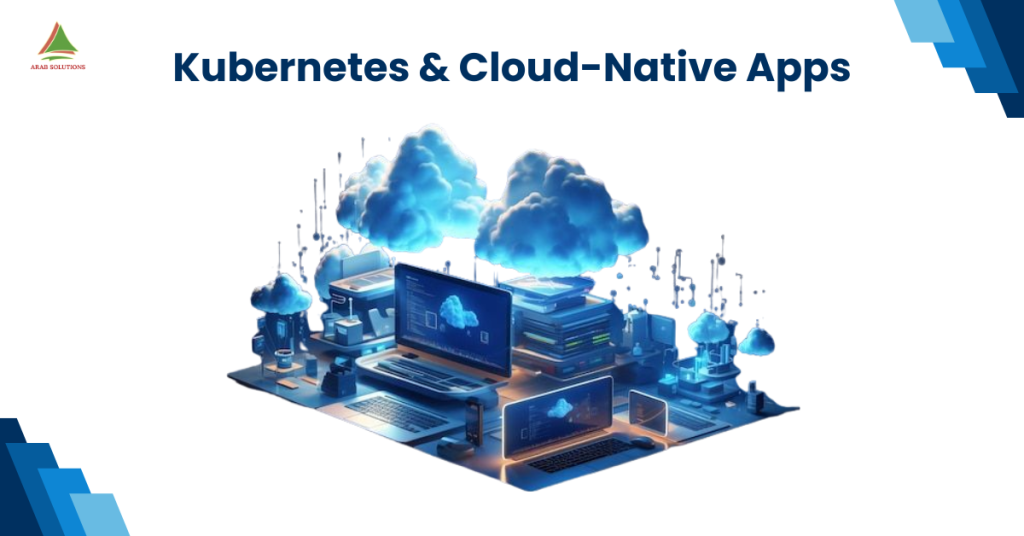
Kubernetes & Cloud-Native Apps

The Enterprise Guide to Building, Securing, and Scaling Modern Digital Platforms

Introduction: Why Cloud-Native Is the New Enterprise Standard? Modern enterprises no longer build applications for static infrastructure. They build for speed, resilience, and global scale. Cloud-native architectures enable organizations to deploy faster, recover quicker, and innovate continuously—without being constrained by hardware, data centers, or rigid deployment models. At the heart of this transformation sits Kubernetes—the…
Read more

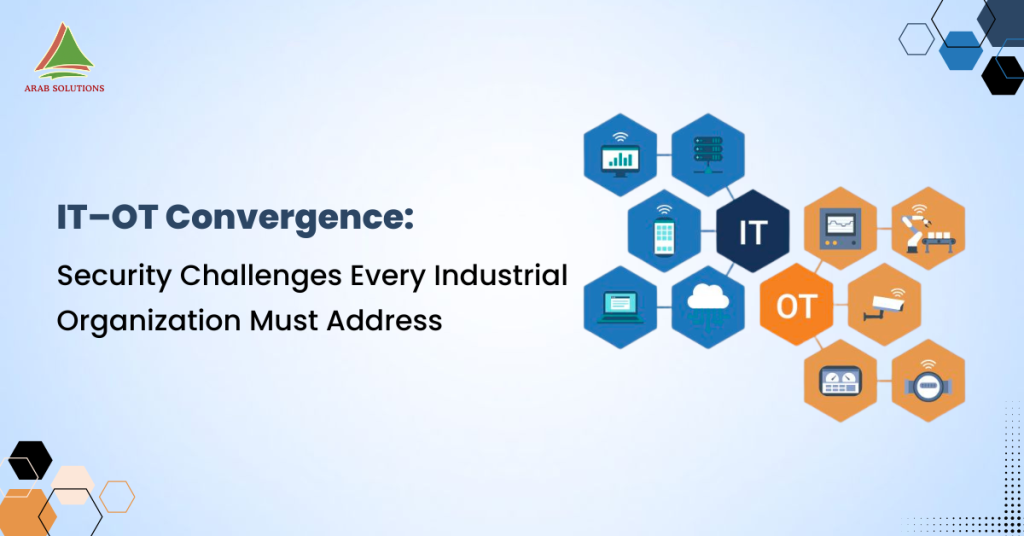
IT–OT Convergence: Security Challenges Every Industrial Organization Must Address

IT–OT Convergence: Security Challenges Every Industrial Organization Must Address

The digital transformation of industrial enterprises has moved far beyond traditional automation. Today, organizations are integrating Information Technology (IT) with Operational Technology (OT) to improve efficiency, unlock real-time data, automate operations, and advance predictive maintenance. This connected ecosystem—spanning enterprise networks, cloud platforms, industrial control systems (ICS), and IIoT devices—creates opportunities for innovation, but also exposes…
Read more

Cyber Threats in Operational Technology The Risks You Can’t Ignore (1)

Cyber Threats in Operational Technology: The Risks You Can’t Ignore

Operational Technology (OT) the industrial control systems that run factories, power grids, water plants, pipelines, and transport infrastructure faces an evolving and highly specialized threat landscape. From opportunistic ransomware and supply-chain exploits to deliberate, state-sponsored sabotage, today’s attackers can cause not only data loss but also physical damage and safety risks. OT’s unique mix of…
Read more

Why Traditional IT Security Isn’t Enough for OT Systems?

Introduction The digital transformation sweeping across industries has blurred the line between Information Technology (IT) and Operational Technology (OT). Once separate domains, they now work in tandem to improve efficiency, productivity, and visibility. While this convergence has accelerated industrial innovation, it has also exposed operational systems to a new dimension of cyber risk. Traditional IT…
Read more

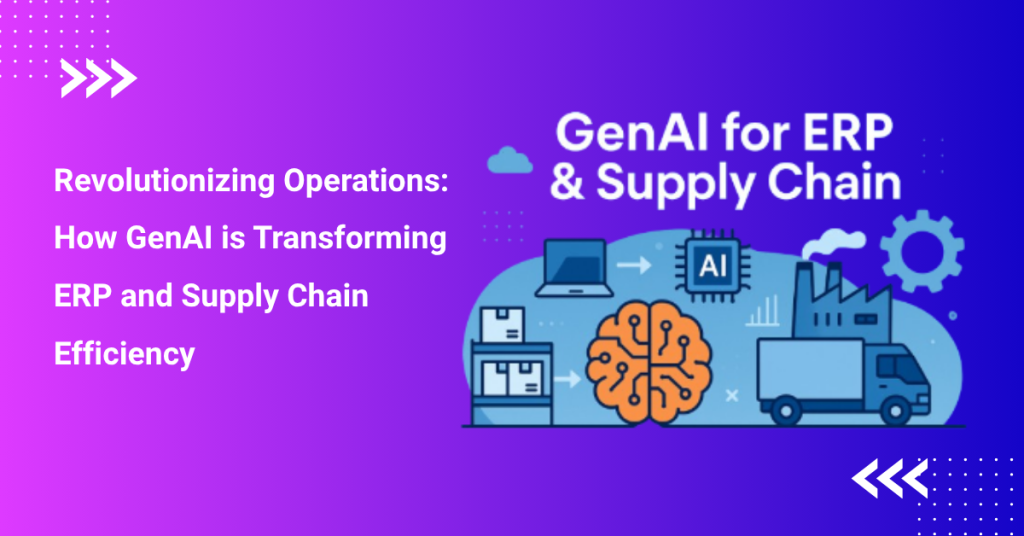
GenAI for ERP and Supply Chain

Generative AI for ERP and Supply Chain – The Future of Business Operations

In the evolving landscape of digital transformation, Generative AI (GenAI) is emerging as a game-changer for Enterprise Resource Planning (ERP) and supply chain management. As businesses seek to optimize operations, reduce costs, and improve decision-making, integrating GenAI into ERP and supply chain systems is rapidly transitioning from a futuristic concept to an operational necessity. What…
Read more

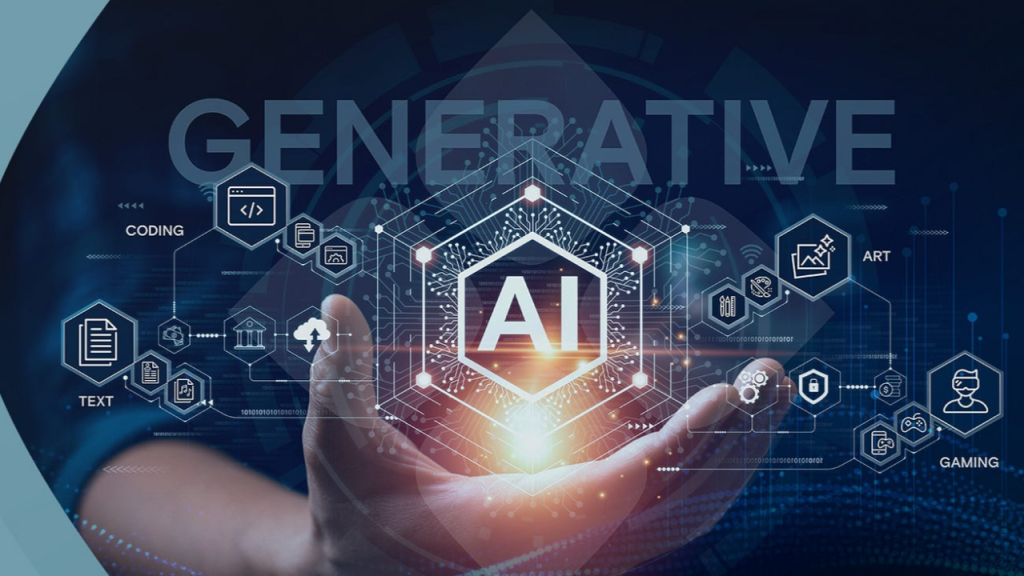
Generative AI in Content Creation – From Marketing to Legal Documents

As the digital landscape evolves at lightning speed, generative AI has emerged as a transformative force in content creation. From crafting compelling marketing copy to drafting complex legal documents, generative AI is redefining how businesses, professionals, and creatives generate content with speed, accuracy, and personalization. In this article, we explore the growing influence of generative…
Read more

Translate »