
Introduction
The digital transformation sweeping across industries has blurred the line between Information Technology (IT) and Operational Technology (OT). Once separate domains, they now work in tandem to improve efficiency, productivity, and visibility. While this convergence has accelerated industrial innovation, it has also exposed operational systems to a new dimension of cyber risk.
Traditional IT security measures designed for protecting data, users, and corporate networks fall short in defending OT systems that control critical physical processes such as manufacturing, energy distribution, water treatment, and transportation. OT systems operate in environments where downtime can have life-threatening or economically catastrophic consequences.
This is why traditional IT security frameworks are not enough. OT requires a fundamentally different security philosophy, one that understands its operational priorities, constraints, and real-world impact.
Understanding the Difference Between IT and OT
To understand why IT security cannot be directly applied to OT, one must first grasp how their goals and priorities differ.
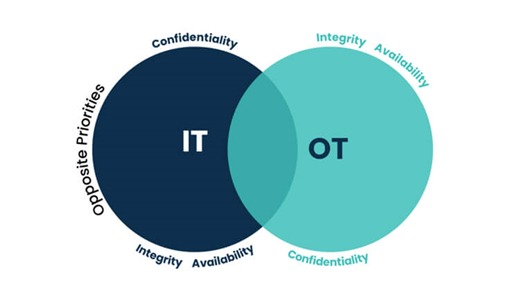
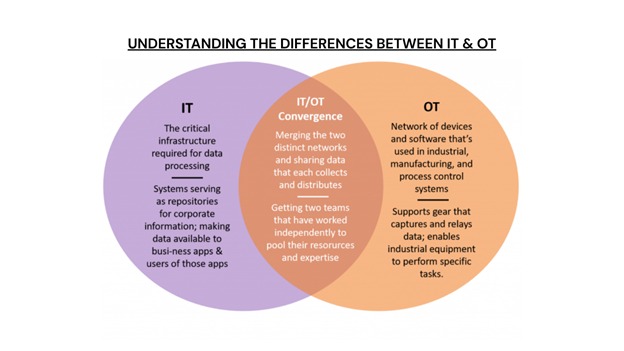
IT systems are built around data. Their primary objective is to protect the confidentiality, integrity, and availability of information. They manage emails, databases, and applications assets that can be updated, backed up, or restored if compromised.
OT systems, on the other hand, are designed to manage and control physical processes. They operate industrial machinery, control pipelines, regulate power plants, and ensure water flow or transportation safety. Their top priority is availability and reliability ensuring that systems remain online, stable, and safe at all times. Even a minor disruption can lead to production loss, financial damage, environmental harm, or safety hazards.
In simple terms, an IT system can afford downtime for maintenance or patching. An OT system cannot.
Legacy Infrastructure and Built-In Limitations
Most OT systems currently in use were designed decades ago, during an era when cybersecurity threats were minimal or nonexistent. The primary design focus then was reliability and long-term operability, not data protection.
Many control systems still run on outdated operating systems that are no longer supported by vendors. They may lack encryption, authentication, or even basic access control mechanisms. For example, industrial controllers or SCADA systems might still be running on Windows XP or embedded firmware that has not been updated for years.
In many cases, applying updates or patches a core IT security practice is not feasible in OT environments. Stopping production for patching can cause operational downtime, loss of revenue, and potential safety risks. As a result, these systems remain vulnerable to exploits and malware for extended periods.
A Different Kind of Threat Landscape
The threats faced by OT systems differ significantly from those targeting IT networks. While IT attackers often aim to steal data, credentials, or financial information, attacks on OT systems can have tangible, physical consequences.
Cyberattacks targeting OT have the potential to disrupt industrial processes, damage equipment, and even endanger lives. Historical examples underline this stark reality:
- The Stuxnet worm (2010) was the first cyberattack specifically designed to target industrial control systems, sabotaging nuclear centrifuges in Iran.
- The 2015 Ukraine power grid attack caused widespread power outages, affecting hundreds of thousands of citizens.
- The Colonial Pipeline ransomware attack (2021) disrupted fuel distribution across the U.S. East Coast, highlighting how IT compromises can cascade into OT disruptions.
These examples show that OT attacks are not merely data breaches; they can directly impact the real world, halting production, causing environmental harm, and endangering public safety. Traditional IT security tools are rarely capable of detecting or mitigating these threats because they are not designed to monitor process-level anomalies or operational commands within industrial environments.
Incompatibility with Industrial Protocols
Another key reason traditional IT security fails in OT systems lies in communication protocols. IT environments rely on standardized, secure communication protocols such as HTTPS, SSL/TLS, and SMTP. In contrast, OT systems use specialized industrial protocols like Modbus, DNP3, Profinet, and OPC many of which were designed without any consideration for security.
These protocols often lack basic protections such as encryption, authentication, or message integrity checks. This means that if an attacker gains access to the network, they can potentially issue commands to control devices or alter process parameters without the system recognizing it as suspicious.
Traditional IT firewalls, antivirus programs, and intrusion detection systems are typically blind to these industrial protocols. They cannot interpret or analyze the traffic, leaving significant blind spots in network defense.
Operational Priorities: Availability Over Confidentiality
In IT security, protecting data confidentiality is often the top priority. Losing access to or control over data is considered a major breach. In OT, however, the hierarchy of priorities is different. Availability and integrity of processes are far more critical than data confidentiality.
For example, shutting down a power grid, halting a refinery, or interrupting a manufacturing line even temporarily can have enormous economic and safety implications. Therefore, any cybersecurity measure that could impact uptime must be carefully evaluated.
Aggressive security scans, endpoint lockdowns, or intrusive antivirus deployments, while effective in IT networks, can disrupt real-time control systems or delay responses in OT environments. This is why applying IT security principles without considering operational realities can sometimes create more risk than it prevents.
Convergence of IT and OT — New Risks, New Challenges
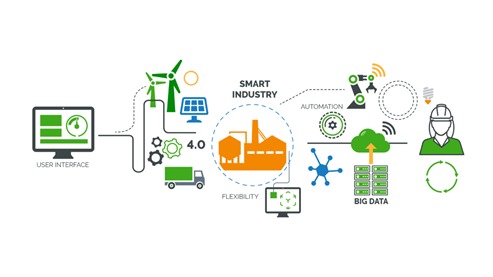
The increasing digitalization of industrial systems has blurred the boundaries between IT and OT. This convergence enables predictive maintenance, real-time analytics, and improved efficiency but it also opens new attack vectors.
A malware infection or phishing attack originating in the corporate IT environment can easily traverse into OT networks if proper segmentation is not enforced. Once inside, attackers can gain access to control systems and manipulate operations.
The more integrated these environments become, the more critical it is to ensure strong segmentation, monitoring, and access control. Unfortunately, many organizations still operate with flat, interconnected networks that make lateral movement easy for attackers
Lack of Visibility and Monitoring
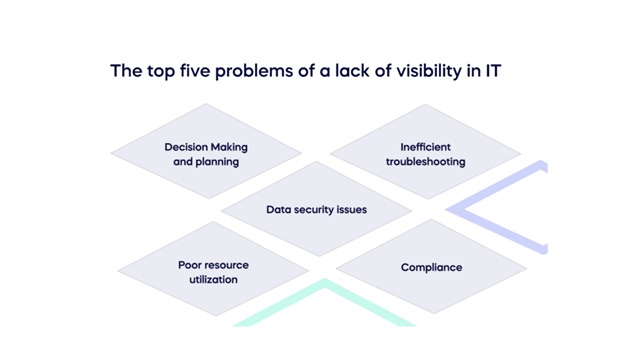
In many industrial environments, one of the most significant challenges is the lack of visibility. Organizations often do not have a clear, comprehensive inventory of all connected devices or systems within their OT network.
Traditional IT monitoring tools, such as endpoint detection and SIEM systems, cannot be deployed in OT because these environments are not designed for constant data collection or heavy processing loads. As a result, incidents can go unnoticed for long periods.
This lack of visibility makes it difficult to detect anomalies, unauthorized access, or even compromised devices. Effective OT security requires specialized, non-intrusive monitoring tools that can observe network traffic passively and recognize deviations in control commands or process behavior.
Human and Cultural Factors
Cybersecurity is not only about technology it’s also about people. IT and OT teams often operate under completely different principles and mindsets.
IT professionals are accustomed to frequent system updates, centralized management, and data-driven decisions. OT engineers, however, prioritize operational continuity, safety, and compliance with strict industrial standards. As a result, they may view cybersecurity measures as potential disruptors to production.
This cultural divide often leads to gaps in security policies and poor coordination between departments. Bridging this divide requires collaboration, cross-training, and a shared understanding of the mutual importance of cybersecurity and operational safety.
Limitations of Traditional IT Security Tools
Traditional IT security solutions such as antivirus software, firewalls, and endpoint detection were never built for OT environments. Installing such tools on legacy industrial devices can cause performance degradation, instability, or even operational failure.
Active vulnerability scanning can overload communication links or trigger system alarms. Automated patch management tools can reboot systems unexpectedly, disrupting operations. Furthermore, IT security systems are typically designed to detect data-centric anomalies not the subtle changes in control logic or sensor behavior that indicate an OT compromise.
To protect OT, organizations must deploy purpose-built, passive, and protocol-aware cybersecurity solutions that respect the unique constraints of industrial networks.
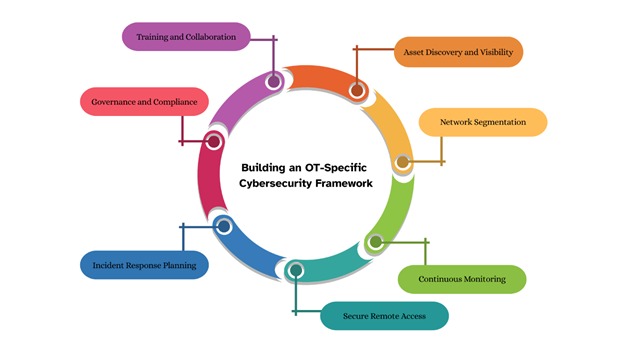
Building an OT-Specific Cybersecurity Framework
Securing OT systems requires a comprehensive, layered approach that goes beyond traditional IT methods. Key strategies include:
- Asset Discovery and Visibility:
Continuously identify and catalog all devices connected to the OT network, including legacy systems and third-party connections. - Network Segmentation:
Physically and logically separate IT and OT networks. Implement strict communication controls through demilitarized zones (DMZs) to prevent cross-contamination. - Continuous Monitoring:
Deploy OT-aware intrusion detection systems capable of recognizing industrial protocol traffic and operational anomalies. - Secure Remote Access:
Enforce multi-factor authentication, encryption, and session recording for all remote maintenance and vendor activities. - Incident Response Planning:
Develop specific playbooks for OT environments, focusing on minimizing operational disruption and ensuring safety during containment and recovery. - Governance and Compliance:
Adopt industry standards such as IEC 62443, NIST SP 800-82, and ISO 27019 to establish structured, auditable security programs. - Training and Collaboration:
Encourage close coordination between IT and OT teams. Conduct joint exercises to simulate cross-domain threats and improve response readiness.
A Unified Approach to IT and OT Security
While IT and OT systems are distinct, they are now interconnected and interdependent. Building resilience requires a unified security strategy that combines IT’s expertise in data protection with OT’s understanding of physical processes.
This collaborative approach ensures that cybersecurity measures are not just technologically sound but also operationally safe. Organizations that successfully bridge this gap are better positioned to detect, respond to, and recover from incidents without compromising uptime or safety.