
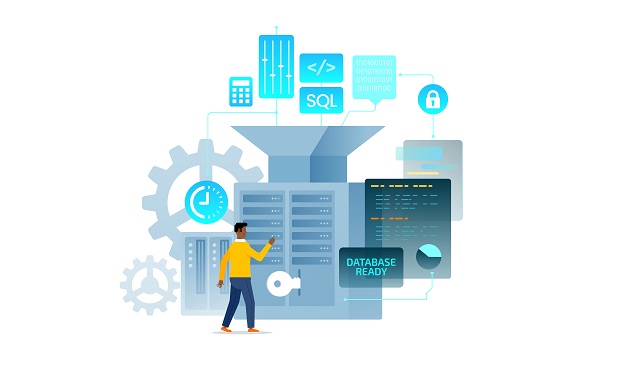
Managing databases has always been a critical yet complex task for IT teams. From provisioning and patching to tuning and scaling, traditional database management requires constant manual oversight and expertise. However, with the advent of Oracle Cloud Automation, these challenges are being transformed into streamlined, intelligent processes that reduce manual effort, minimize errors, and boost operational efficiency.
In today’s fast-paced digital environment, businesses need agility, reliability, and security in their data infrastructure. Oracle Cloud Infrastructure (OCI) delivers on all fronts—especially when it comes to automating database management.
The Growing Complexity of Traditional Database Management
As applications grow more data-intensive and distributed, managing databases manually becomes increasingly unsustainable. Traditional database tasks such as:
- Installing and configuring environments
- Applying security patches
- Managing backups and recovery
- Monitoring performance metrics
- Scaling resources
can consume significant time and are prone to human error. Any misconfiguration or delay in patching can lead to performance bottlenecks or even security vulnerabilities.
Enter Oracle Cloud Automation
Oracle Cloud Infrastructure offers a suite of automation tools designed to simplify, accelerate, and safeguard database management operations. By integrating machine learning, policy-based automation, and pre-configured best practices, OCI helps organizations shift from reactive to proactive database management.
Key Automation Capabilities of Oracle Cloud
1. Autonomous Database Services
Oracle’s Autonomous Database is the cornerstone of its automation strategy. It uses built-in AI and ML to automate critical tasks, including:
- Provisioning: Automatically configures the database based on workload requirements.
- Tuning: Continuously monitors and optimizes performance without manual input.
- Scaling: Dynamically scales compute and storage resources based on demand.
- Security Patching: Applies updates automatically, reducing vulnerability windows.
2. Automatic Backup and Disaster Recovery
OCI automates backup schedules and ensures your data is consistently protected. It supports point-in-time recovery and geographically distributed backups to strengthen disaster recovery capabilities.
3. Automated Monitoring and Alerts
With Oracle Cloud Monitoring and Logging, administrators receive real-time performance insights and AI-driven anomaly detection. Customizable alerts reduce downtime by notifying teams of potential issues before they become critical.
4. Resource Scheduling and Cost Optimization
OCI’s resource manager automates infrastructure provisioning using Terraform scripts, ensuring consistency and reducing human error. It also allows scheduling of compute resources to minimize idle time and control costs effectively.
5. Lifecycle Management
Automated lifecycle management enables easy updates, patch rollouts, and version upgrades with minimal downtime. This simplifies compliance and helps businesses stay current with the latest database capabilities.
Benefits of Oracle Cloud Automation for Database Management
1. Reduced Manual Effort
By automating repetitive and complex tasks, database administrators (DBAs) can focus on strategic initiatives rather than routine maintenance.
2. Minimized Risk of Errors
Automation ensures consistency, accuracy, and adherence to best practices—significantly reducing the chances of human mistakes that can lead to outages or data loss.
3. Improved Security and Compliance
Oracle’s automated patching and policy-based access controls help maintain a robust security posture and simplify regulatory compliance.
4. Faster Time-to-Value
Automated provisioning and scaling mean new database environments can be deployed in minutes, accelerating development and deployment cycles.
5. Cost Savings
Automation reduces the need for over-provisioning and enables pay-as-you-go models, helping businesses optimize their IT budgets.
Real-World Use Case: Streamlining Operations with Autonomous Database
Consider a financial services company that migrated its legacy database infrastructure to Oracle Autonomous Database. By automating patching, performance tuning, and backup processes, the company reduced its operational costs by 40% and improved application response times by 60%. Downtime caused by manual errors dropped significantly, allowing IT teams to focus on innovation.
Final Thoughts
As organizations continue to embrace cloud-native architectures, automated database management is becoming a strategic advantage. Oracle Cloud Infrastructure stands out with its comprehensive automation capabilities that enhance productivity, ensure resilience, and simplify day-to-day operations.
Whether you’re a small startup or a global enterprise, leveraging Oracle Cloud automation means fewer manual tasks, faster innovation, and more secure, scalable database environments.