
Cloud adoption is no longer experimental. By 2026, enterprises are operating across public cloud, private cloud, SaaS platforms, and on-premise infrastructure simultaneously. Hybrid environments are the norm — not the exception.
But with this flexibility comes complexity.
Cloud governance in 2026 is not just about policy documentation. It is about architectural discipline, financial control, regulatory alignment, operational visibility, and cyber resilience — all working together.
Why Cloud Governance Is a Strategic Imperative?
Hybrid cloud environments typically span platforms like:
- Amazon Web Services
- Microsoft Azure
- Google Cloud
- Oracle Cloud Infrastructure
Along with on-premise data centers and third-party SaaS solutions.
Without structured governance:
- Costs spiral unpredictably
- Shadow IT expands
- Security gaps widen
- Compliance becomes reactive
- Resilience weakens
Cloud governance in 2026 must proactively control risk before it compounds.
1. Control: Governing Architecture Before Costs Explode
Cloud cost overruns are rarely budgeting failures. They are governance failures.
What Strong Control Looks Like in 2026:
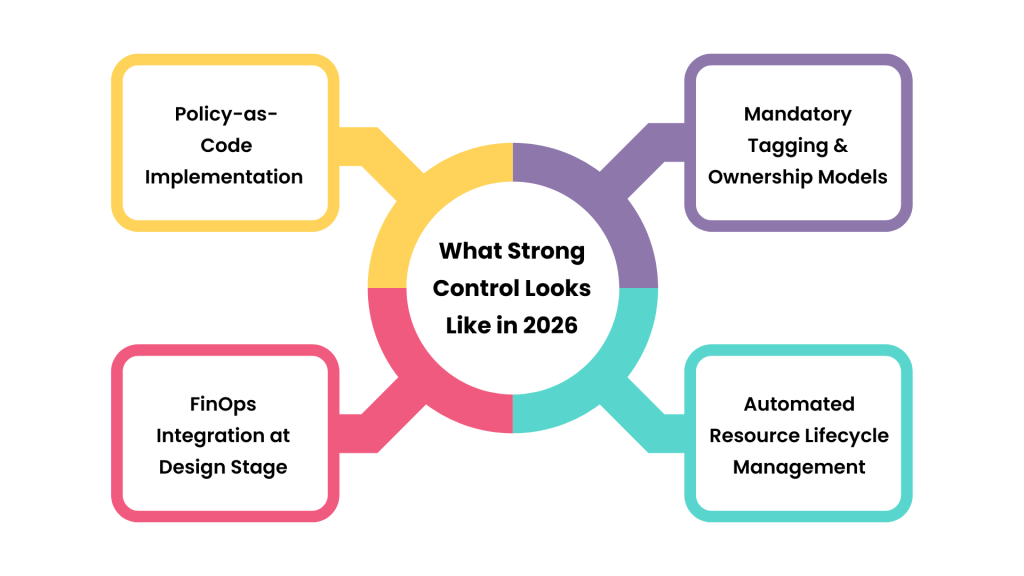
• Policy-as-Code Implementation
Automated guardrails embedded directly into infrastructure pipelines.
• Mandatory Tagging & Ownership Models
Every workload must have:
- Business owner
- Cost center
- Environment classification
- Risk level
• FinOps Integration at Design Stage
Cost visibility integrated into architecture design — not added after deployment.
• Automated Resource Lifecycle Management
Idle compute, orphaned storage, and unused IPs are automatically flagged and remediated.
Control is not restriction.
Control is structured enablement.
2. Visibility: Real-Time Insight Across Hybrid Complexity
In 2026, visibility is no longer about dashboards. It is about unified operational intelligence.
Hybrid environments require:
Cross-Cloud Monitoring
A single observability layer across AWS, Azure, OCI, and GCP environments.
Risk Posture Monitoring
Continuous Cloud Security Posture Management (CSPM).
Compliance Automation
Automated reporting aligned with:
- ISO 27001
- SOC 2
- Regional data protection regulations
Executive-Level Transparency
Boards demand measurable cloud governance metrics:
- Cost-to-revenue ratios
- Incident response maturity
- Policy violation frequency
- Architecture compliance scores
Visibility transforms cloud from an IT expense into a governed strategic asset.
3. Resilience: Designing for Failure, Not Hoping It Won’t Happen
Resilience in 2026 goes beyond backups.
It includes:
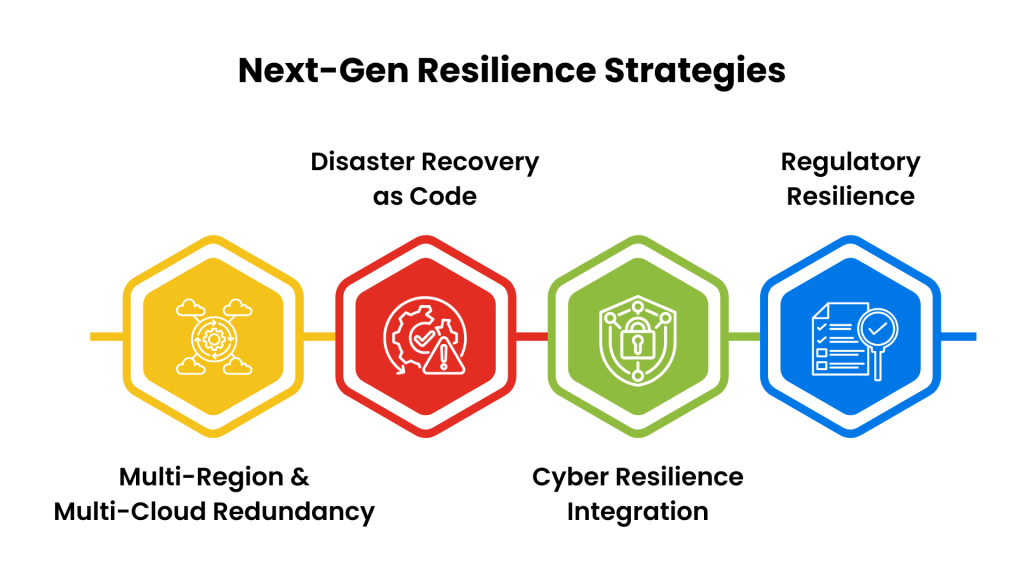
Multi-Region & Multi-Cloud Redundancy
Avoiding single-cloud dependency risk.
Disaster Recovery as Code
Failover mechanisms automated and tested quarterly.
Cyber Resilience Integration
Governance includes ransomware containment strategies:
- Immutable backups
- Segmented workloads
- Zero Trust network architecture
Regulatory Resilience
The ability to respond rapidly to evolving compliance mandates across jurisdictions.
Resilience is not about preventing incidents.
It is about sustaining operations through them.
The 2026 Governance Maturity Model
Leading organizations follow a structured maturity path:
Level 1 – Reactive
Manual controls, invoice-driven cost reviews, fragmented visibility.
Level 2 – Defined
Documented policies, limited automation, partial cross-cloud reporting.
Level 3 – Automated
Policy-as-code, automated cost controls, integrated compliance monitoring.
Level 4 – Predictive & Adaptive
AI-driven anomaly detection, automated remediation, executive risk dashboards.
In 2026, competitive enterprises operate at Level 3 or above.
Hybrid Environments: The Governance Risk Multiplier
Hybrid infrastructure introduces:
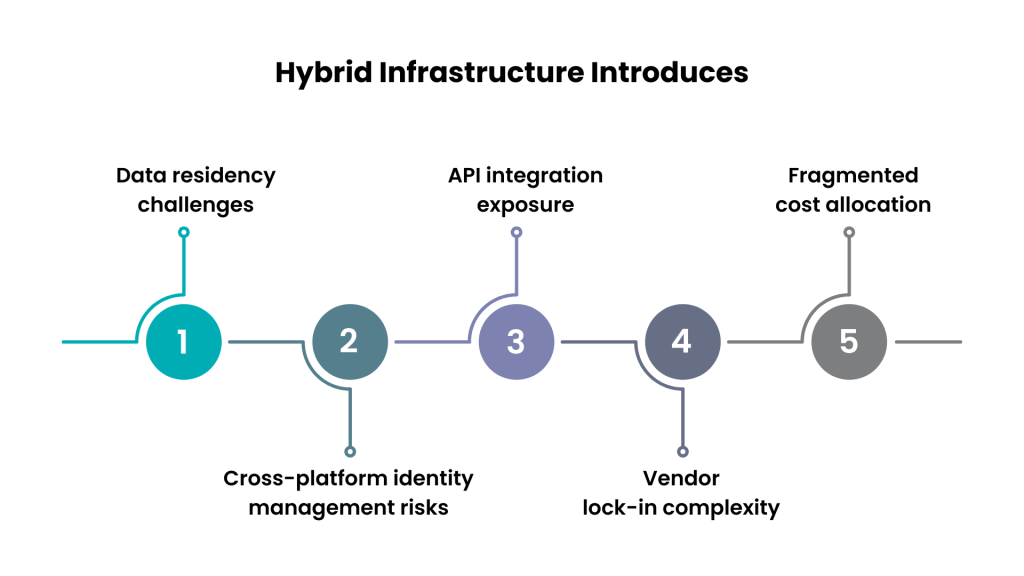
- Data residency challenges
- Cross-platform identity management risks
- API integration exposure
- Vendor lock-in complexity
- Fragmented cost allocation
Without centralized governance architecture, hybrid quickly becomes fragmented infrastructure.
The solution is federated governance with centralized visibility.
Key Governance Priorities for 2026
- Embed governance into CI/CD pipelines
- Align architecture review boards with FinOps teams
- Enforce identity-first security design
- Standardize tagging and cost allocation models
- Conduct quarterly governance audits
- Integrate AI risk monitoring tools
- Tie cloud KPIs to executive performance metrics
Governance must be measurable — not aspirational.
The Strategic Shift: From Cloud Adoption to Cloud Discipline
In the early 2020s, the goal was cloud migration.
In 2026, the goal is cloud optimization and resilience.
Organizations that treat governance as a compliance checkbox will struggle.
Organizations that treat governance as strategic infrastructure will:
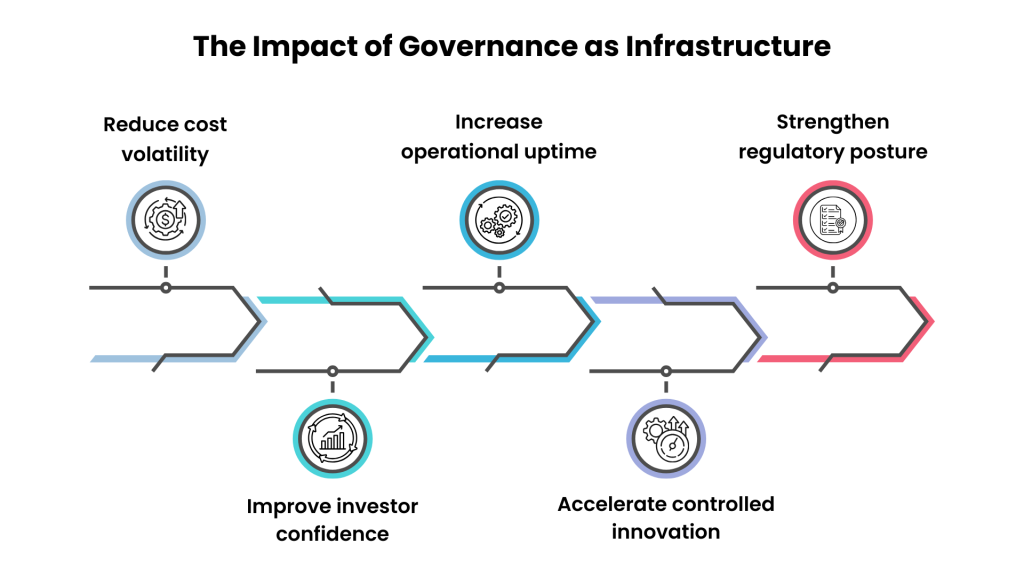
- Reduce cost volatility
- Increase operational uptime
- Strengthen regulatory posture
- Improve investor confidence
- Accelerate controlled innovation
Final Thoughts
Cloud governance in 2026 is about control, visibility, and resilience — simultaneously.
Innovation without governance accelerates exposure.
Governance without innovation restricts growth.
The balance is disciplined cloud architecture.
Hybrid environments are here to stay.
The real competitive advantage lies in how well they are governed.