
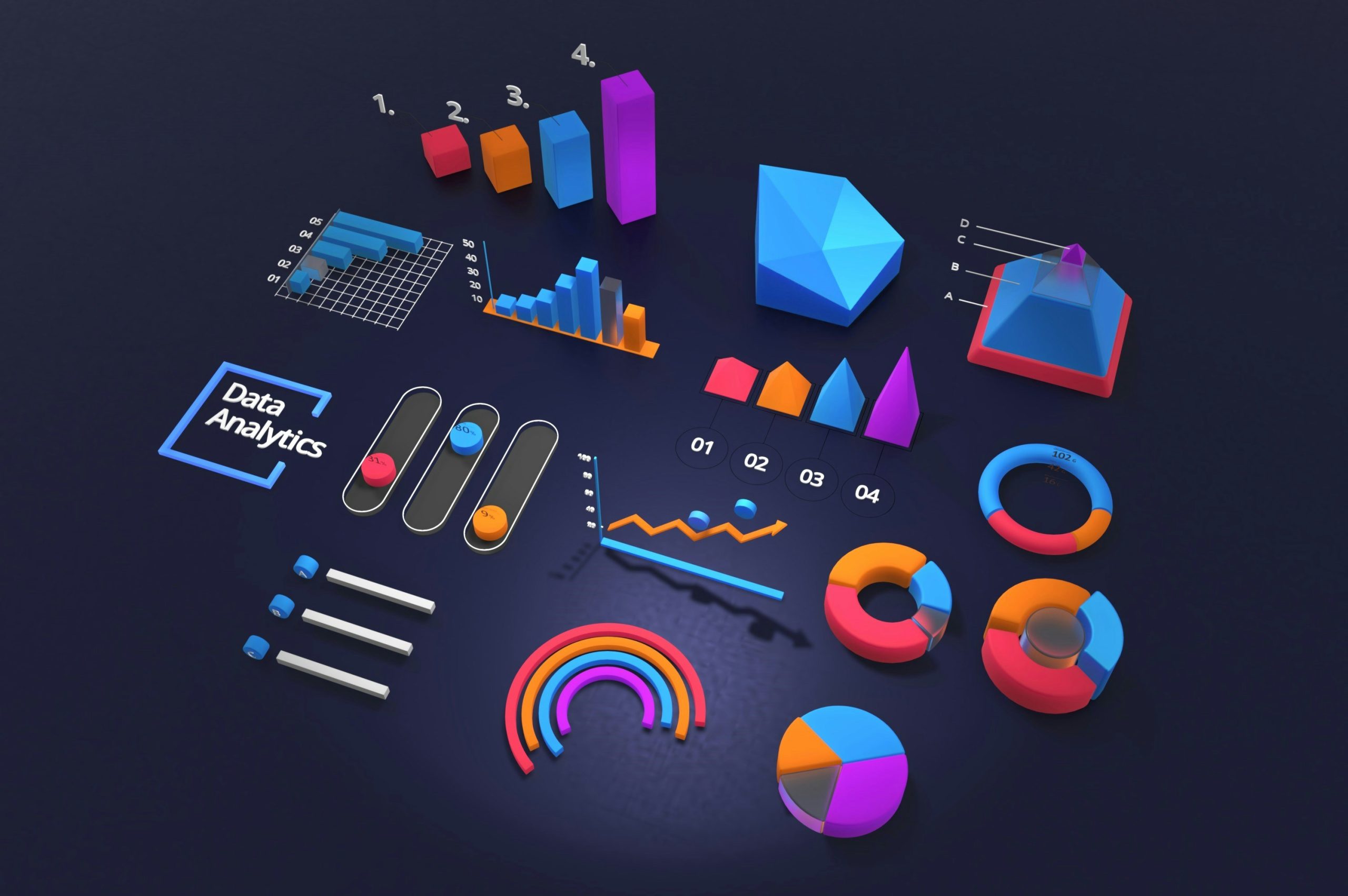
In an increasingly data-driven world, businesses are constantly seeking smarter ways to stay ahead of market shifts. Traditional forecasting methods, though useful, often fall short when it comes to speed, scale, and precision. This is where Predictive Analytics powered by Artificial Intelligence (AI) steps in—revolutionizing how organizations anticipate customer behavior, track industry trends, and make data-informed strategic decisions.
What is Predictive Analytics?
Predictive analytics is a branch of advanced analytics that uses historical data, machine learning algorithms, and statistical techniques to predict future outcomes. When combined with the power of AI, predictive analytics can process vast amounts of structured and unstructured data at high velocity, uncovering patterns that human analysts might miss.
From retail and finance to healthcare and manufacturing, industries are increasingly adopting predictive models to enhance planning, reduce risk, and capitalize on emerging opportunities.
How AI Enhances Market Trend Forecasting?
AI significantly improves the scope and accuracy of predictive analytics in the following ways:
1. Data Integration Across Multiple Sources
AI systems can collect and merge data from a wide variety of sources—social media, CRM systems, market research, news articles, IoT sensors, and economic indicators—creating a holistic view of market conditions. This multi-source analysis provides deeper insights into external influences and changing consumer sentiments.
2. Real-Time Trend Monitoring
Unlike traditional models that rely on static, historical data, AI-driven platforms offer real-time analytics. These tools continuously scan the environment for new signals, helping businesses adjust their strategies as market dynamics evolve.
3. Machine Learning for Pattern Recognition
Machine learning algorithms identify hidden correlations, seasonality effects, and behavior patterns within complex datasets. Over time, these models learn and improve, offering increasingly accurate predictions on demand fluctuations, competitor movements, and customer preferences.
4. Natural Language Processing (NLP)
AI uses NLP to extract insights from qualitative data—like reviews, news headlines, or industry reports. For example, sentiment analysis of customer feedback can help forecast product demand or brand performance in different regions.
5. Automated Forecasting Models
AI reduces human dependency in model creation and optimization. With AutoML (Automated Machine Learning), businesses can build, validate, and deploy predictive models without deep data science expertise—accelerating time-to-insight.
Key Benefits of Using AI for Predictive Market Analytics
Integrating AI into market forecasting offers a range of transformative benefits:
• Improved Accuracy
AI-driven models consistently outperform traditional forecasting techniques in terms of precision, especially in volatile or fast-changing environments.
• Faster Decision-Making
By automating data collection and analysis, AI enables quicker responses to market signals, giving businesses a competitive edge.
• Risk Reduction
Predictive insights help organizations anticipate risks such as supply chain disruptions, pricing fluctuations, or regulatory changes, allowing for proactive mitigation strategies.
• Personalized Marketing
Understanding future customer behavior allows companies to tailor marketing campaigns, optimize pricing, and forecast product lifecycles more effectively.
• Scalability
AI-powered analytics can process millions of data points across geographies and segments, making them ideal for both SMEs and global enterprises.
Real-World Use Cases
Several industries are already harnessing AI-based predictive analytics to gain a strategic edge:
- Retail: Inventory optimization based on predictive demand models, seasonal buying patterns, and location-specific trends.
- Finance: Forecasting stock prices, credit risks, and fraud patterns using high-frequency market data.
- Healthcare: Predicting patient admission rates, treatment outcomes, and disease outbreaks.
- Manufacturing: Anticipating equipment failure, optimizing supply chain logistics, and forecasting material demand.
The Future of Predictive Analytics
With the advancement of generative AI, edge computing, and quantum machine learning, predictive analytics will become even more sophisticated. Models will move from forecasting what is likely to happen, to offering insights on why it’s happening and how to respond optimally.
Moreover, the growing emphasis on ethical AI and explainable AI (XAI) is making predictive models more transparent, increasing trust among business leaders and stakeholders.
Final Thoughts
As markets become more dynamic and complex, relying on intuition or traditional forecasting is no longer enough. Predictive analytics, supercharged by AI, is shaping the future of decision-making—delivering powerful, real-time insights that drive competitive advantage.
Organizations that invest in AI-driven forecasting tools today are better positioned to navigate uncertainty, seize new opportunities, and build resilient, forward-thinking strategies for tomorrow.