Month: February 2026

Securing the Converged Enterprise

Securing the Converged Enterprise: OT/IT Integration and AI Governance in 2026

In 2026, digital transformation is no longer a strategic initiative — it is the operational backbone of modern enterprises. Industrial control systems connect to cloud analytics platforms. AI engines influence production scheduling. Remote vendors access plant environments. Smart devices continuously stream operational telemetry. This is the converged enterprise — where Operational Technology (OT), Information Technology…
Read more
Artificial intelligence Without Governance Is an Enterprise Liability

AI Without Governance Is an Enterprise Liability

Artificial Intelligence is reshaping enterprise operations — from automated customer engagement and predictive analytics to code generation and strategic decision support. But AI deployed without governance is not transformation. It is unmanaged exposure. Enterprises that adopt AI without structured oversight risk creating systemic vulnerabilities that impact security, compliance, financial stability, and brand reputation. The liability…
Read more

Cloud Governance in 2026 Control, Visibility, and Resilience in Hybrid Environments

Cloud Governance in 2026: Control, Visibility, and Resilience in Hybrid Environments

Cloud adoption is no longer experimental. By 2026, enterprises are operating across public cloud, private cloud, SaaS platforms, and on-premise infrastructure simultaneously. Hybrid environments are the norm — not the exception. But with this flexibility comes complexity. Cloud governance in 2026 is not just about policy documentation. It is about architectural discipline, financial control, regulatory…
Read more

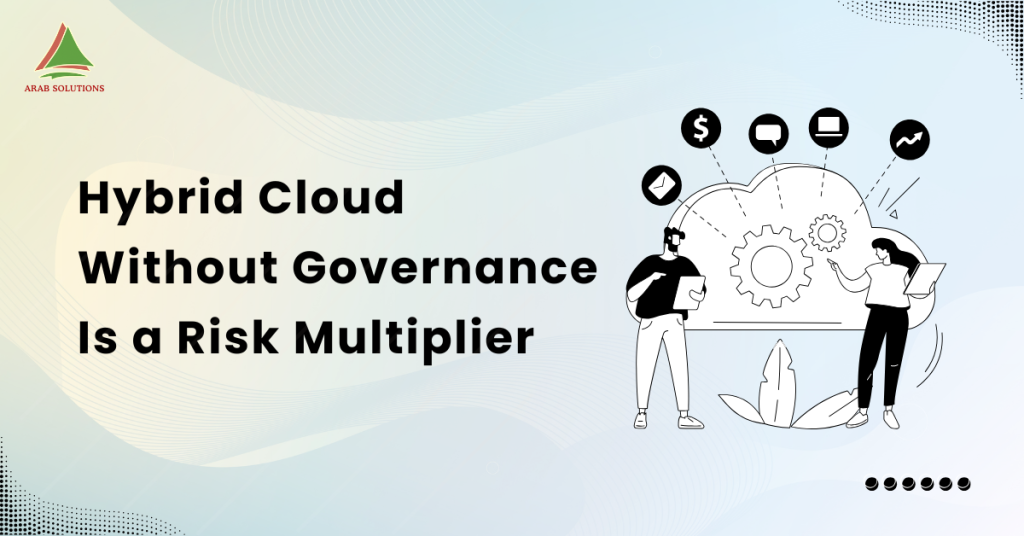
Hybrid Cloud Without Governance Is a Risk Multiplier

Hybrid Cloud Without Governance Is a Risk Multiplier

Hybrid and multi-cloud strategies promise flexibility, resilience, and speed. But without strong governance and architecture-first thinking, they can quietly multiply risk across your organization. What starts as “cloud freedom” often turns into complexity, security gaps, compliance exposure, and spiraling costs. Let’s break down why hybrid cloud without governance is a risk multiplier—and how to fix…
Read more

From Tool Sprawl to Security Fabric

From Tool Sprawl to Security Fabric: Designing an Integrated Cybersecurity Architecture

Modern enterprises are not struggling because they lack security tools.They are struggling because they have too many of them. Over the past decade, cybersecurity investment has largely followed a procurement-driven pattern: identify a threat, buy a product, deploy quickly, repeat. The result? Dozens of point solutions operating in silos — each solving a specific problem…
Read more

Security Architecture as a Strategic Business Decision

Security Architecture as a Strategic Business Decision

Moving Beyond Tools to Enterprise Resilience For years, security architecture has been treated as a technical function — a collection of controls, tools, and frameworks designed to reduce cyber risk. But in modern enterprises, security architecture is not an IT decision. It is a strategic business decision. Organizations that understand this build resilience.Those that don’t…
Read more

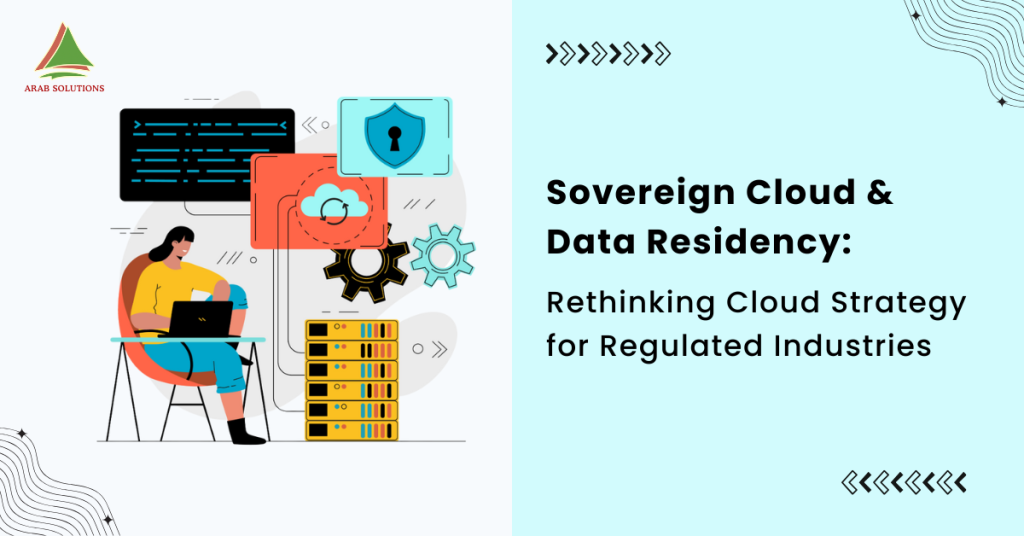
Sovereign Cloud & Data Residency Rethinking Cloud Strategy for Regulated Industries

Sovereign Cloud & Data Residency: Rethinking Cloud Strategy for Regulated Industries

An Architectural, Legal, and Governance Deep Dive The cloud was designed for global scale, not national accountability. Regulated industries, on the other hand, are designed around: This is the core tension. Sovereign cloud exists because globalized infrastructure and localized regulation are fundamentally incompatible unless architecture changes. PART I — THE EVOLUTION OF REGULATION: FROM DATA…
Read more

Oracle APEX for Low-Code Development

Oracle APEX for Low-Code Development: Building Enterprise-Grade Applications at Speed and Scale

Low-code platforms have shifted from rapid prototyping tools to strategic enterprise development platforms. Among them, Oracle APEX (Application Express) stands out as a unique combination of declarative development, native database integration, and enterprise-grade security, making it a powerful choice for organizations modernizing legacy systems, accelerating digital transformation, and building mission-critical applications. Unlike many low-code platforms…
Read more

Translate »