Author: Arab Solutions

Building a Cloud Independence Framework for 2026

Building a Cloud Independence Framework for 2026

For much of the past decade, enterprise cloud adoption has been driven by acceleration. Organizations migrated workloads rapidly to platforms such as Amazon Web Services, Microsoft Azure, and Google Cloud to gain scalability, speed of deployment, and global infrastructure reach. However, the strategic conversation around cloud computing is now evolving. Many organizations have discovered that…
Read more
Designing a Cloud Exit Strategy Before You Need One

Designing a Cloud Exit Strategy Before You Need One

Cloud computing has become the backbone of modern digital transformation. Organizations migrate workloads to the cloud seeking scalability, agility, and operational efficiency. However, many enterprises focus intensely on how to enter the cloud while giving little attention to how to leave it. This oversight creates a strategic vulnerability. Cloud platforms provide powerful services, but they…
Read more

Enterprise Simplification Strategy Reducing Risk Without Disruption

Enterprise Simplification Strategy: Reducing Risk Without Disruption

In today’s digital enterprise, technology environments are expanding faster than organizations can effectively manage them. Over the past decade, companies have rapidly adopted cloud platforms, SaaS applications, automation tools, security solutions, analytics engines, and AI-driven technologies. While each of these systems may solve a specific business need, the cumulative result is often an overly complex…
Read more

The Financial Impact of Technology Debt

The Financial Impact of Technology Debt

Technology debt is not a technical issue. It’s a financial one. Most organizations treat technology debt as an engineering inconvenience—something the IT team will eventually clean up when time allows. But the reality is far more serious. Technology debt quietly drains financial resources, slows innovation, increases risk exposure, and weakens an organization’s long-term competitiveness. In…
Read more

Designing a Unified Security Architecture with Fortinet Security Fabric

Designing a Unified Security Architecture with Fortinet Security Fabric

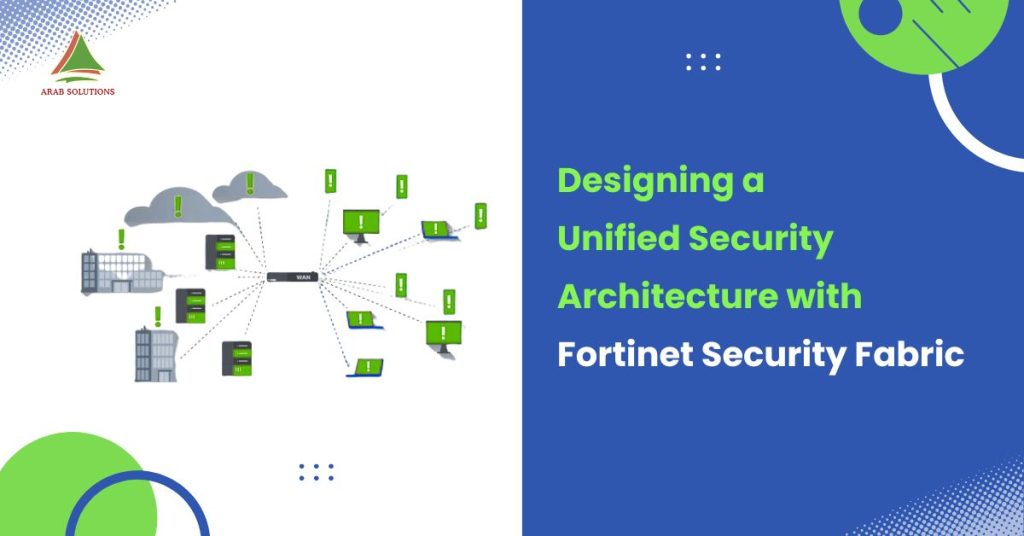
Introduction: Why Unified Security Architecture Matters? Enterprise security environments have become increasingly complex. Cloud adoption, remote work, IoT, and hybrid infrastructure have expanded the attack surface. In response, organizations added more tools — firewalls, endpoint agents, SIEM platforms, cloud security controls. Over time, this created fragmentation. The challenge today is not lack of security tools.It…
Read more

Security Consolidation with Fortinet_ From Fragmentation to Fabric

Security Consolidation with Fortinet: From Fragmentation to Fabric

The Growing Problem of Security Complexity Many enterprises have invested heavily in cybersecurity over the past decade. Firewalls.Endpoint protection.Cloud security tools.SIEM platforms.Automation tools. Each system was deployed to solve a specific risk. But over time, these independent systems often create: Security consolidation addresses this challenge by bringing these controls into a unified architecture. What Is…
Read more

Securing the Converged Enterprise

Securing the Converged Enterprise: OT/IT Integration and AI Governance in 2026

In 2026, digital transformation is no longer a strategic initiative — it is the operational backbone of modern enterprises. Industrial control systems connect to cloud analytics platforms. AI engines influence production scheduling. Remote vendors access plant environments. Smart devices continuously stream operational telemetry. This is the converged enterprise — where Operational Technology (OT), Information Technology…
Read more

Artificial intelligence Without Governance Is an Enterprise Liability

AI Without Governance Is an Enterprise Liability

Artificial Intelligence is reshaping enterprise operations — from automated customer engagement and predictive analytics to code generation and strategic decision support. But AI deployed without governance is not transformation. It is unmanaged exposure. Enterprises that adopt AI without structured oversight risk creating systemic vulnerabilities that impact security, compliance, financial stability, and brand reputation. The liability…
Read more

Cloud Governance in 2026 Control, Visibility, and Resilience in Hybrid Environments

Cloud Governance in 2026: Control, Visibility, and Resilience in Hybrid Environments

Cloud adoption is no longer experimental. By 2026, enterprises are operating across public cloud, private cloud, SaaS platforms, and on-premise infrastructure simultaneously. Hybrid environments are the norm — not the exception. But with this flexibility comes complexity. Cloud governance in 2026 is not just about policy documentation. It is about architectural discipline, financial control, regulatory…
Read more

Hybrid Cloud Without Governance Is a Risk Multiplier

Hybrid Cloud Without Governance Is a Risk Multiplier

Hybrid and multi-cloud strategies promise flexibility, resilience, and speed. But without strong governance and architecture-first thinking, they can quietly multiply risk across your organization. What starts as “cloud freedom” often turns into complexity, security gaps, compliance exposure, and spiraling costs. Let’s break down why hybrid cloud without governance is a risk multiplier—and how to fix…
Read more

Translate »