Category: Cybersecurity

Why Enterprises Fail to Detect Threats in Time

Why Enterprises Fail to Detect Threats in Time?

Introduction: The Hidden Crisis in Cybersecurity Cybersecurity investments have grown exponentially, yet one fundamental problem persists—enterprises are still too slow to detect threats. Modern attackers don’t break in and leave they dwell, observe, expand, and exploit over time. The real danger lies not in the breach itself, but in the time gap between intrusion and…
Read more
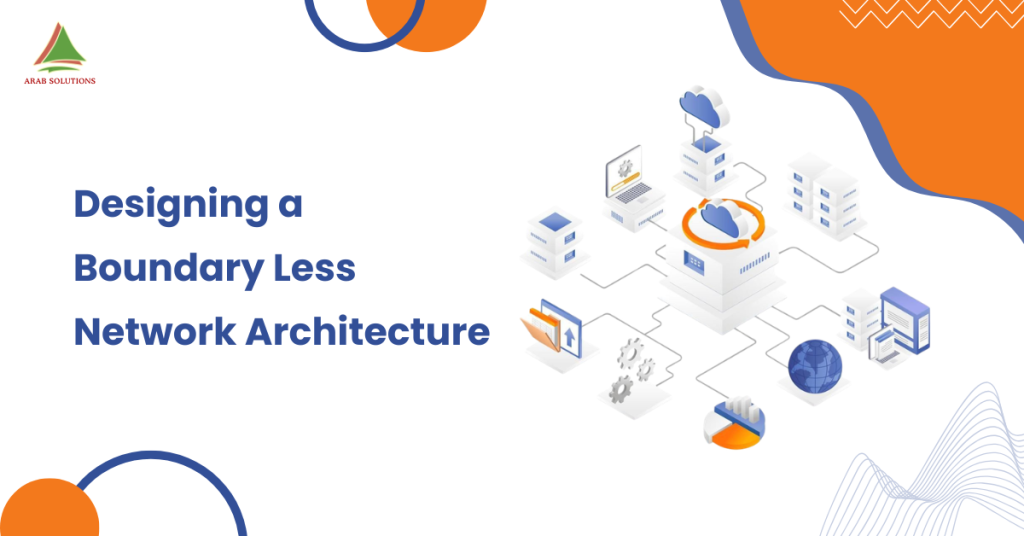
Designing a Boundary-Less Network Architecture

Designing a Boundary-Less Network Architecture

Introduction Traditional network architecture was built around a clear perimeter—trusted inside, untrusted outside. That model no longer holds. With cloud adoption, SaaS proliferation, remote work, and distributed applications, the concept of a “network edge” has dissolved. A boundary-less network architecture is not about removing control—it’s about redefining where and how control exists. It shifts from…
Read more

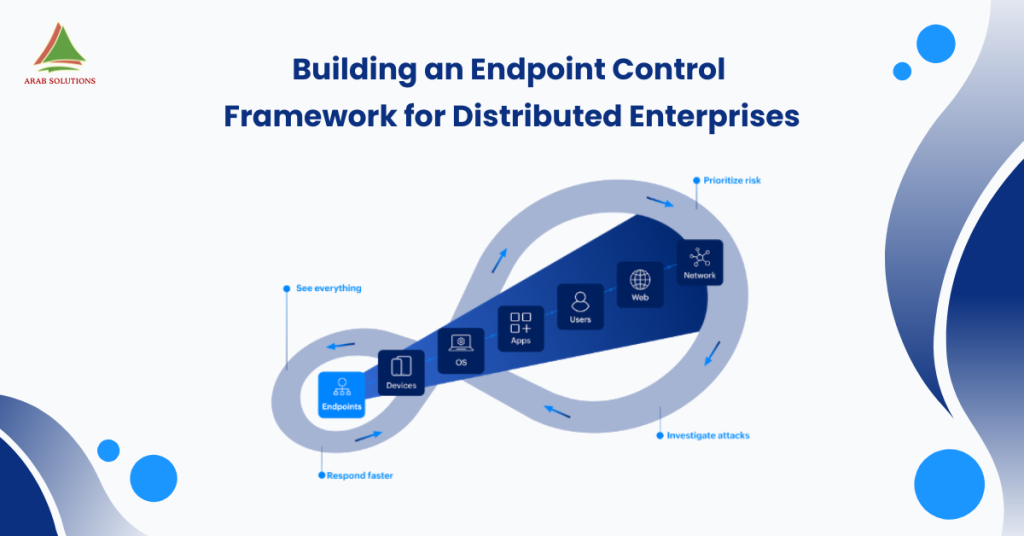
Building an Endpoint Control Framework for Distributed Enterprises

Building an Endpoint Control Framework for Distributed Enterprises

Introduction: Why Endpoint Control Needs a Rethink? Enterprise environments have changed faster than most security strategies. Employees now work across home networks, shared workspaces, and cloud-based platforms. Devices connect from different locations, often outside traditional IT oversight. This shift has made endpoints the most exposed layer in modern infrastructure. Laptops, mobile devices, and even third-party…
Read more

Endpoint Exposure The Cost of Losing Control at the Edge

Endpoint Exposure: The Cost of Losing Control at the Edge

Introduction: The Enterprise Edge Has Redefined Control Enterprise environments have undergone a fundamental shift. What was once a clearly defined and centrally managed infrastructure has evolved into a distributed ecosystem where access happens across locations, devices, and platforms. Today, employees, partners, and third parties interact with enterprise systems using a combination of corporate-managed devices, personal…
Read more

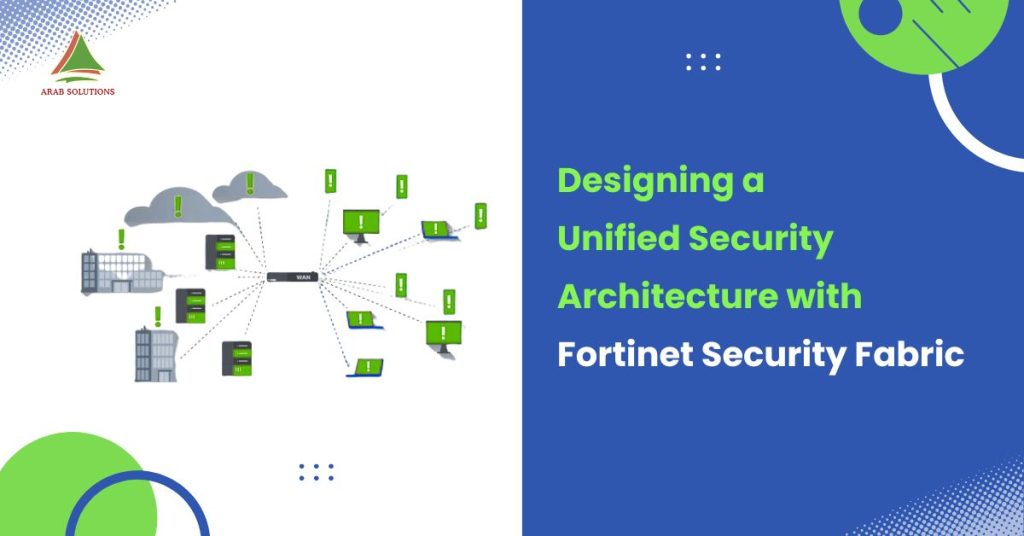
Designing a Unified Security Architecture with Fortinet Security Fabric

Designing a Unified Security Architecture with Fortinet Security Fabric

Introduction: Why Unified Security Architecture Matters? Enterprise security environments have become increasingly complex. Cloud adoption, remote work, IoT, and hybrid infrastructure have expanded the attack surface. In response, organizations added more tools — firewalls, endpoint agents, SIEM platforms, cloud security controls. Over time, this created fragmentation. The challenge today is not lack of security tools.It…
Read more

Security Consolidation with Fortinet_ From Fragmentation to Fabric

Security Consolidation with Fortinet: From Fragmentation to Fabric

The Growing Problem of Security Complexity Many enterprises have invested heavily in cybersecurity over the past decade. Firewalls.Endpoint protection.Cloud security tools.SIEM platforms.Automation tools. Each system was deployed to solve a specific risk. But over time, these independent systems often create: Security consolidation addresses this challenge by bringing these controls into a unified architecture. What Is…
Read more

Securing the Converged Enterprise

Securing the Converged Enterprise: OT/IT Integration and AI Governance in 2026

In 2026, digital transformation is no longer a strategic initiative — it is the operational backbone of modern enterprises. Industrial control systems connect to cloud analytics platforms. AI engines influence production scheduling. Remote vendors access plant environments. Smart devices continuously stream operational telemetry. This is the converged enterprise — where Operational Technology (OT), Information Technology…
Read more

From Tool Sprawl to Security Fabric

From Tool Sprawl to Security Fabric: Designing an Integrated Cybersecurity Architecture

Modern enterprises are not struggling because they lack security tools.They are struggling because they have too many of them. Over the past decade, cybersecurity investment has largely followed a procurement-driven pattern: identify a threat, buy a product, deploy quickly, repeat. The result? Dozens of point solutions operating in silos — each solving a specific problem…
Read more

Security Architecture as a Strategic Business Decision

Security Architecture as a Strategic Business Decision

Moving Beyond Tools to Enterprise Resilience For years, security architecture has been treated as a technical function — a collection of controls, tools, and frameworks designed to reduce cyber risk. But in modern enterprises, security architecture is not an IT decision. It is a strategic business decision. Organizations that understand this build resilience.Those that don’t…
Read more

Why IT Security Controls Fail in OT Environments — And How to Secure Converged IT–OT Networks?

Introduction: The New Cyber-Physical Risk Landscape Operational Technology (OT) environments now sit at the center of digital transformation. From smart factories and energy grids to water treatment plants and transportation systems, once-isolated industrial networks are being connected to enterprise IT and cloud platforms to enable analytics, remote access, and operational efficiency. But this convergence has…
Read more

Translate »